Where to eat ramen
in Kyoto
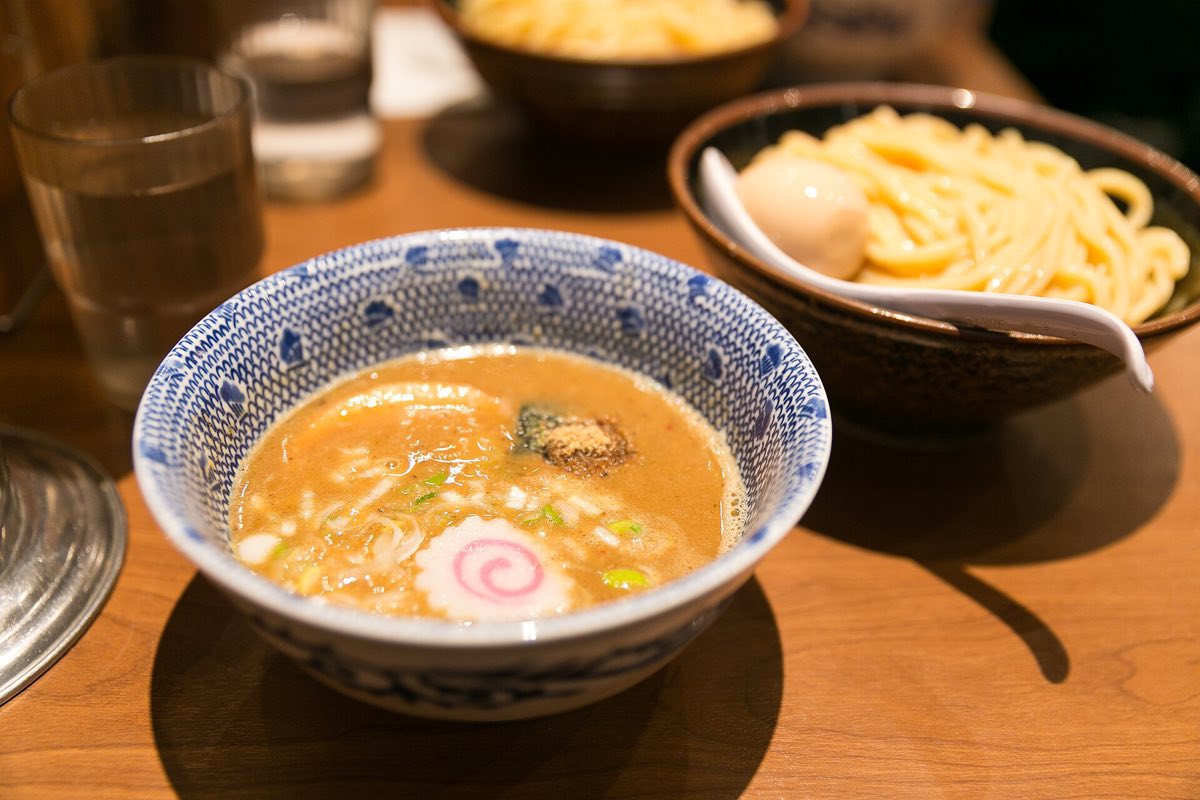
Kyoto ramen is dark, rich and back-fatty kotteri — the opposite of the delicate, subtle city in the guidebooks. Two places define it and sit next door to each other near Kyoto Station: Honke Daiichi-Asahi (since 1947, and it opens at 6:00, which makes breakfast ramen a real option) and Shinpuku Saikan (since 1938, a jet-black broth that tastes far gentler than it looks). For the deeper version, take the Eizan line to Ichijoji, where 15+ shops sit on one street. Budget ¥900–1,500, bring cash, and buy your ticket from the machine at the door.
Kyoto ramen is not delicate
Every other thing you eat in this city trades on restraint. Ramen does not. The Kyoto style is heavy shoyu with a thick layer of melted pork back fat floating on top, or a chicken paitan so reduced it stands up in the bowl.
The local word is kotteri — rich, thick, coating. It exists because Kyoto's ramen culture grew out of postwar student districts and taxi-driver stops, not out of kaiseki kitchens. Cheap, hot, filling, open late. That lineage is why the two most famous shops are both near the station and both older than most of the tourist industry here.
Three broad styles you will meet: dark shoyu with back fat (Daiichi-Asahi, Shinpuku Saikan), thick chicken paitan that borders on gravy (Gokkei, Tenkaippin), and a smaller modern clear-dashi school that does trade on subtlety (Menya Inoichi). Pick a lane before you queue.
Practically: a bowl is ¥900–1,500, a set with fried rice ¥1,200–1,900. Almost everywhere is cash. Most shops have a ticket machine by the door — buy first, sit second, hand the ticket over. Nobody expects conversation and nobody expects you to linger; twenty minutes in the seat is a full visit.
Which queue do I join? The station trio
Honke Daiichi-Asahi and Shinpuku Saikan Honten are next door to each other a short walk from Kyoto Station, which produces the most common ramen question in the city. Menya Inoichi is the modern counter-argument.
| Shop | Since | The broth | Best for | Verdict |
|---|---|---|---|---|
| Honke Daiichi-Asahi | 1947 | Dark soy shoyu, a thick cap of pork back fat, thin straight noodles and a pile of green onion | Breakfast ramen — it opens at 6:00, which nothing else does. Also the longer of the two queues at lunch | WORTH IT |
| Shinpuku Saikan Honten | 1938 | Jet-black. Looks like it will flatten you and tastes surprisingly gentle and clean | First-timers who want the photo and the flavour. Order the fried-rice combo — the yakimeshi is arguably better than the ramen | WORTH IT |
| Menya Inoichi | Modern · Bib Gourmand | White-soy dashi with yuzu — clear, precise, aromatic, the antithesis of the other two | Anyone who finds kotteri heavy going. Lunch-focused and it sells out, so go early | WORTH IT |
Opening days and hours at all three move around, and Daiichi-Asahi in particular takes an irregular weekday off. Check Tabelog on the day rather than trusting Google — this is the single most common wasted walk in Kyoto ramen.
Ichijoji ramen street
Ichijoji is a residential stop two stations up the Eizan line from Demachiyanagi, and it has more than fifteen ramen shops on one stretch of road. It is the densest ramen street in western Japan and the reason serious eaters treat Kyoto as a ramen city.
Gokkei is the queue king: a chicken paitan reduced to something close to cement, thick enough that the noodles stand in it. Expect to wait, often 45 minutes or more at peak, and expect it to be worth it if you like the style. Get there 20–30 minutes before opening if you would rather not.
Tenkaippin — the original headquarters of the chain that took kotteri nationwide. There are Tenkaippin branches all over Japan; this is where it started, and ordering "kotteri" here is the point of the trip.
Tentenyu Honten — the other chain born on this street, chicken-based and a touch lighter than Tenkaippin. The two together are a useful side-by-side if you are making an evening of it.
Ramen Jiro — Kyoto's only branch of the cult Tokyo chain. Enormous, brutal, bean-sprout-capped bowls with a call-and-response ordering ritual. Read how the mashi toppings call works before you go in; getting it wrong is a minor social incident.
Takayasu — open until about 2am, which makes it the answer after a night in Pontocho. Also famous for a plate of fried chicken that is the size of a dinner and cheaper than it should be.
Do the street as an evening: Eizan from Demachiyanagi takes about five minutes, the shops sit within a few hundred metres of each other, and if the first queue is absurd the second one probably is not.
Ramen practicalities
Fire ramen, duck noodles and Ramen Koji
Three places that come up constantly in search results and deserve honest verdicts rather than the enthusiasm they usually get.
Menbaka Fire Ramen — the chef pours burning hot oil over your bowl and a two-foot column of flame goes up in front of you. It is genuinely fun, the staff are good at it, and the theatre is why you would go. The ramen itself is average. Go for the video, not the meal, and follow the instructions exactly — you sit with your hands in your lap and you do not lean in.
Gion Duck Noodles — eight seats, duck broth, a chronic queue that regularly outlasts the food's advantage. The bowl is good. It is not two-hours-of-your-Gion-evening good. If you happen past at an odd hour and there is no line, eat.
Ramen Koji, on the 10th floor of the Kyoto Station building, gathers seven or eight shops from different ramen regions of Japan — Sapporo miso, Hakata tonkotsu, Kyoto kotteri. It is the correct answer on a wet evening with luggage, and it is not a destination. Ticket machines, ¥1,000–1,500, queues at 19:00.
If you would rather make it than queue for it, the ramen class below is a genuinely good three hours — you build a broth, cut noodles and understand why the Kyoto style is what it is.
Ramen worth booking
No ramen shop in Kyoto takes reservations — you queue or you go at an odd hour. The only bookable version is making it yourself, which is more useful than it sounds if you are trying to understand the broth.
Kyoto ramen FAQ
What is Kyoto ramen like?
Dark, heavy and rich — the local word is kotteri. Expect a soy-based broth under a thick layer of melted pork back fat, or a chicken paitan reduced almost to gravy. It is the opposite of what the rest of Kyoto's food reputation would lead you to expect, and it is the city's genuine local style.
Where is the best ramen in Kyoto?
Ichijoji, on the Eizan line, has 15+ shops on one street including Gokkei, Tenkaippin's original HQ and Tentenyu. Near Kyoto Station, Honke Daiichi-Asahi (1947) and Shinpuku Saikan (1938) sit next door to each other. Bowls run ¥900–1,500 everywhere.
Can you get ramen for breakfast in Kyoto?
Yes. Honke Daiichi-Asahi opens at 6:00, which makes it one of the very few places in the city serving anything before 7:00. It is a legitimate plan on a dawn-start day — see the breakfast page for the rest of the early options.
Do Kyoto ramen shops take credit cards?
Mostly no. Assume cash, and assume a ticket machine by the door where you choose and pay before sitting down. Carry ¥2,000–3,000 in small notes and coins per person. The Kyoto Station Ramen Koji floor is the reliable card-friendly exception.
How long is the queue for Gokkei?
Commonly 30–60 minutes at peak, sometimes longer at weekends. The fix is to arrive 20–30 minutes before opening, or to eat at 14:30 when the lunch rush has cleared. If the line is absurd, there are fourteen other shops on the same street.
Is Menbaka Fire Ramen worth it?
For the spectacle, yes — a column of flame goes up over your bowl and it makes a great video. For the ramen, no: it is average by Kyoto standards. Treat it as a ¥1,500 piece of theatre with dinner attached, not as a ramen destination.
Is there good vegetarian ramen in Kyoto?
Yes. Vegan Ramen UZU is the standout, and Towzen also does a fully plant-based bowl. Standard shops are not an option — the broth is pork or chicken and even the shoyu tare usually contains dashi. More on eating without fish stock on the food hub.